Why Water Regulations Matter More Than Ever in California Agriculture
If you farm in California, water is no longer just a production input. It is a regulated resource that affects land value, crop planning, financing, and long term farm viability.
Across the Central Valley and coastal production regions, groundwater and surface water rules are tightening. Buyers are asking for documentation. Lenders are reviewing water access. And local agencies are enforcing pumping and reporting requirements more actively than in previous years.
For growers, staying informed is not about paperwork. It is about protecting your ability to farm in the years ahead.
SGMA and Groundwater Pumping Limits in 2026
What SGMA Requires
The Sustainable Groundwater Management Act requires all high and medium priority groundwater basins to reach sustainability by 2040. That process is already underway through local Groundwater Sustainability Agencies, commonly called GSAs.
Each GSA develops a groundwater sustainability plan that can include:
- Pumping allocations
- Well registration requirements
- Usage reporting
- Fees to fund basin management
By 2026, many growers are seeing these plans move from planning stages into active enforcement and annual compliance tracking.
What Is New for 2026
In several basins, GSAs are shifting from voluntary reporting to mandatory pumping limits and fee structures. Some regions are implementing tiered pricing where higher usage results in higher per acre foot costs.
Growers should expect:
- Increased documentation requirements
- More frequent communication from GSAs
- Annual or seasonal allocation updates
Official SGMA Resource:
California Department of Water Resources SGMA Portal
Irrigation Efficiency Standards and District Requirements
Why Efficiency Is Now a Compliance Issue
Water districts across California are linking irrigation system performance to water access. In some areas, inefficient systems can lead to reduced allocations or denied water delivery during peak demand periods.
Growers are increasingly required to demonstrate:
- Distribution uniformity
- System maintenance records
- Application efficiency benchmarks
What Systems Help Meet Standards
Many farms are upgrading to:
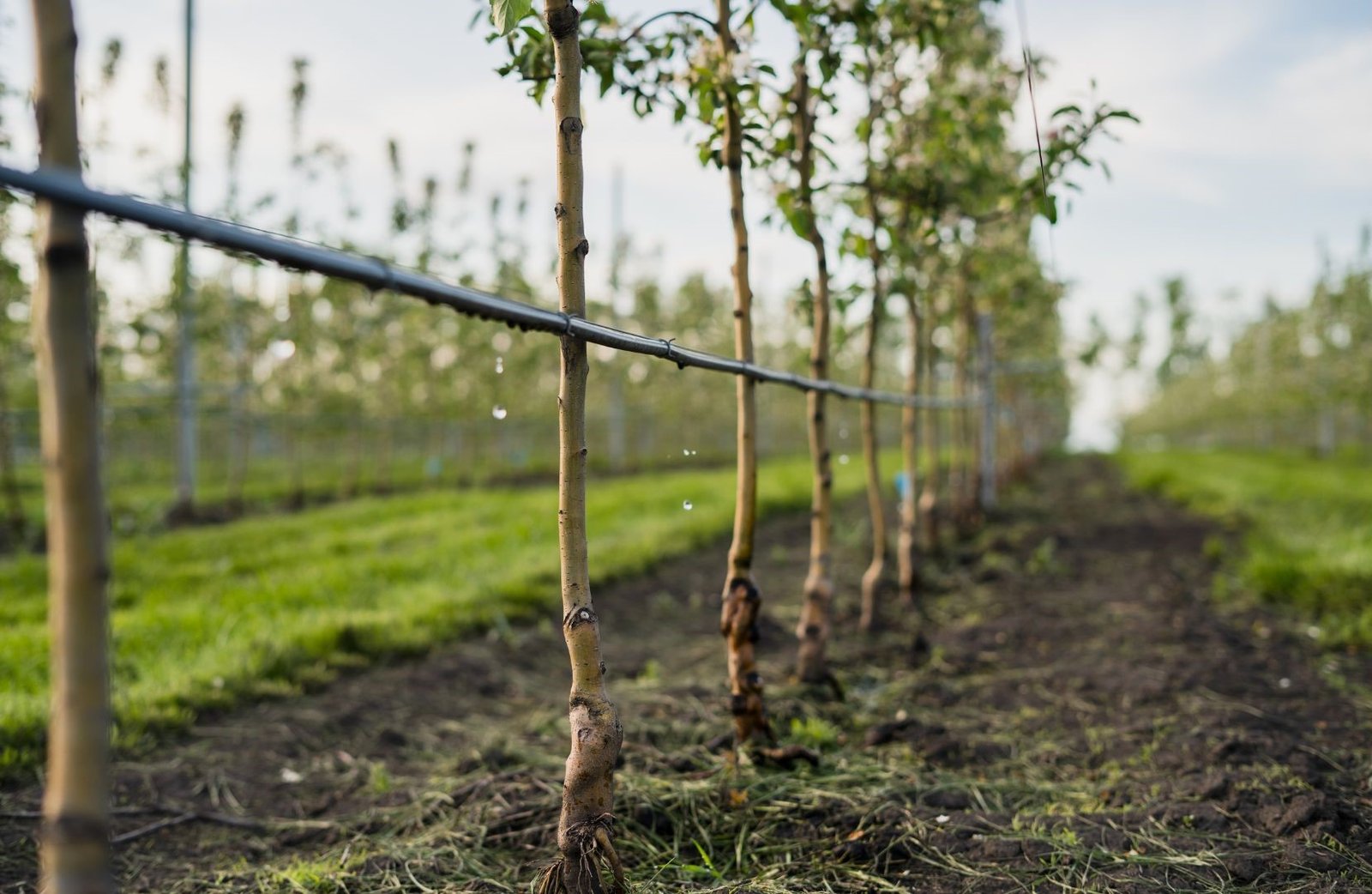
- Drip irrigation in orchards and vineyards
- Micro sprinklers for tree crops
- Automated valves and zone control
- Soil moisture sensors tied to irrigation scheduling
These systems often reduce pumping costs while improving crop uniformity, making them both a compliance tool and a profit driver.
Reference Resource:
University of California Agriculture and Natural Resources Water Management
Water Reporting and Monitoring Requirements
What Farmers Are Being Asked to Track
Depending on your basin and district, you may be required to:
- Install flow meters on wells
- Submit monthly or annual pumping reports
- Register wells with local agencies
- Maintain irrigation logs
Many GSAs are now using digital reporting systems that require growers to submit usage data through online portals.
Why This Matters Financially
Failure to report can lead to:
- Fines
- Higher pumping fees
- Reduced allocations
- Enforcement actions from local agencies
Accurate records also help when applying for grants and cost share programs, since most funding sources require proof of water use and system performance.
Official Guidance:
State Water Resources Control Board Water Rights and Reporting
Financial Assistance and Incentive Programs for Growers
Cost Share Programs for Water Efficiency
California and federal agencies offer funding for:
- Drip and micro irrigation upgrades
- Soil moisture monitoring systems
- Pump efficiency improvements
- Water storage and recharge projects
These programs are designed to reduce the upfront cost of compliance while helping farms modernize their systems.
Major Programs to Know in 2026
California Department of Food and Agriculture Programs
USDA Natural Resources Conservation Service EQIP Program
How Water Rules Are Changing Crop and Land Decisions
Planting and Orchard Planning
With groundwater access becoming more regulated, some growers are:
- Shifting to lower water use crops
- Reducing planted acreage
- Prioritizing permanent crops only where long term water access is secure
- Investing in recharge and storage projects
Land Value and Leasing Trends
Water availability is increasingly tied to land valuation and lease pricing. Buyers and tenants are asking for:
- Historical pumping records
- GSA allocation data
- Surface water access documentation
In many regions, land without secure water access is becoming harder to finance or lease at premium rates.
Best Practices for Staying Compliant in 2026
Practical Steps That Help Protect Your Operation
- Install and maintain accurate flow meters
- Keep digital irrigation and pumping records
- Attend local GSA meetings and updates
- Monitor soil moisture and weather data
- Review allocation notices each season
- Explore efficiency upgrades before peak demand periods
Final Thoughts from the Field
Water regulations in California are not going away. They are becoming part of how farms operate, plan, and grow.
The growers who are adapting best are not just checking boxes. They are using water efficiency, monitoring, and smart planning as tools to lower costs, protect land value, and strengthen long term resilience.
In today’s environment, water management is no longer just a compliance task. It is a business strategy.
Helpful Reference Links for Growers
California Department of Water Resources SGMA
University of California Agriculture and Natural Resources Water Program
California Department of Food and Agriculture Office of Environmental Farming and Innovation
State Water Resources Control Board